Buckle Up Right! A Guide to Belts and Fit

Buckle Up Right! A Guide to Belts and Fit
A belt is more than just a way to keep your pants in place—it’s a key accessory that can pull your whole outfit together. But for a belt to look sharp and feel comfortable, it needs to be the right style, size, and fit. A poorly fitted belt can throw off your look—or worse, feel uncomfortable all day. Here’s your guide to choosing the right belt, buckling it properly, and getting the perfect fit.
Choose the Right Belt for the Occasion
Before you buckle up, make sure you’ve picked the right belt for the situation. The best belt complements both your outfit and the setting.
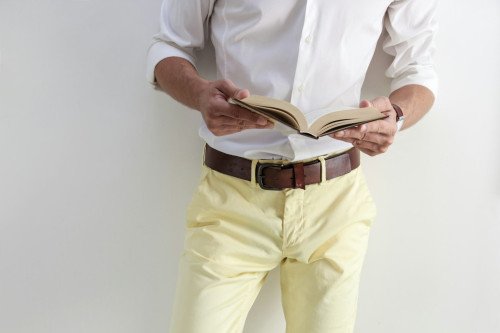
- For formal occasions: Go for a classic leather belt in black or dark brown with a simple metal buckle. Match it to your dress shoes and, if possible, your watch.
- For everyday wear: A more relaxed belt in leather, suede, or woven fabric works well. You can play with color and texture here.
- For outdoor or active use: A nylon or canvas belt with a quick-release buckle is durable, practical, and easy to adjust.
A good belt should feel sturdy but not stiff. Avoid cheap materials that crack or lose shape quickly—a quality belt can last for years.
Finding the Right Length
A belt should be neither too short nor too long. A good rule of thumb: your belt should fasten comfortably at the middle hole. That gives you room to adjust if your waist size changes slightly.
When shopping, choose a belt that’s 2–4 inches longer than your waist size. For example, if you wear pants with a 34-inch waist, look for a belt that’s about 36–38 inches long.
If you’re unsure, try the belt on with the pants you plan to wear most often. The fit can vary depending on the fabric thickness and waistband style.
Læs også:


How to Buckle It Correctly
Buckling a belt seems simple, but a few small details make a big difference:
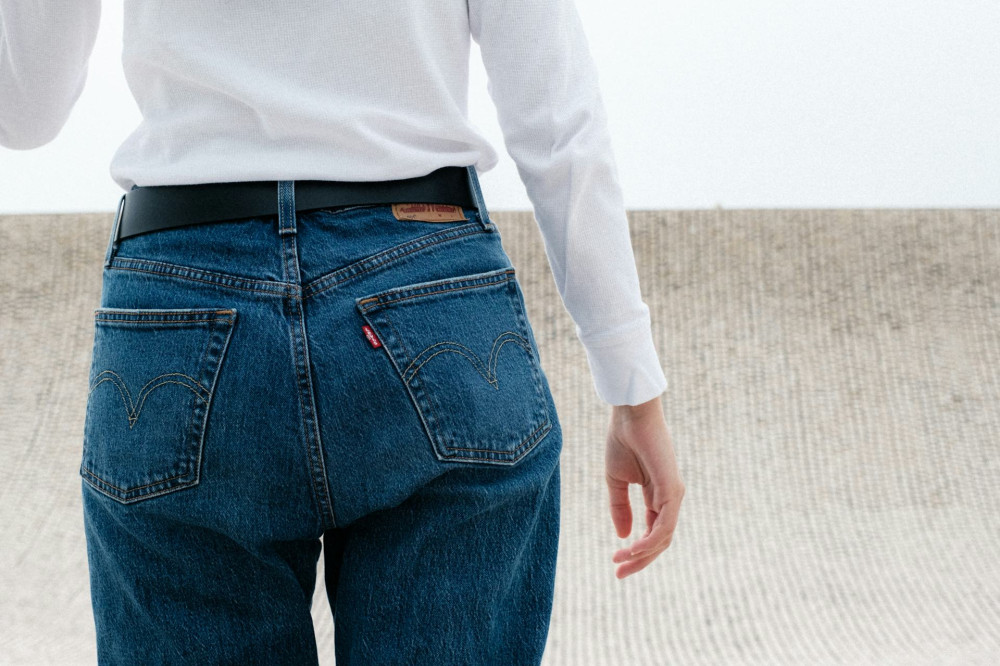
- Thread the belt through the loops from left to right (as seen from the front). That’s the standard direction in the U.S.
- Use the right hole—ideally the middle one. The belt should feel secure but not tight. You should be able to slip two fingers between the belt and your waist.
- Check the belt tip: It should extend about 2–4 inches past the buckle and lie flat under the belt loop. Too long looks sloppy; too short looks undersized.
A properly buckled belt should stay in place while allowing you to move comfortably. It should support, not squeeze.
Know Your Buckles
The buckle is both the functional and visual centerpiece of a belt. There are several common types, each suited to different looks and needs.
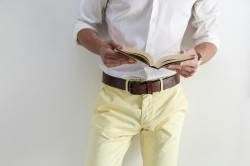
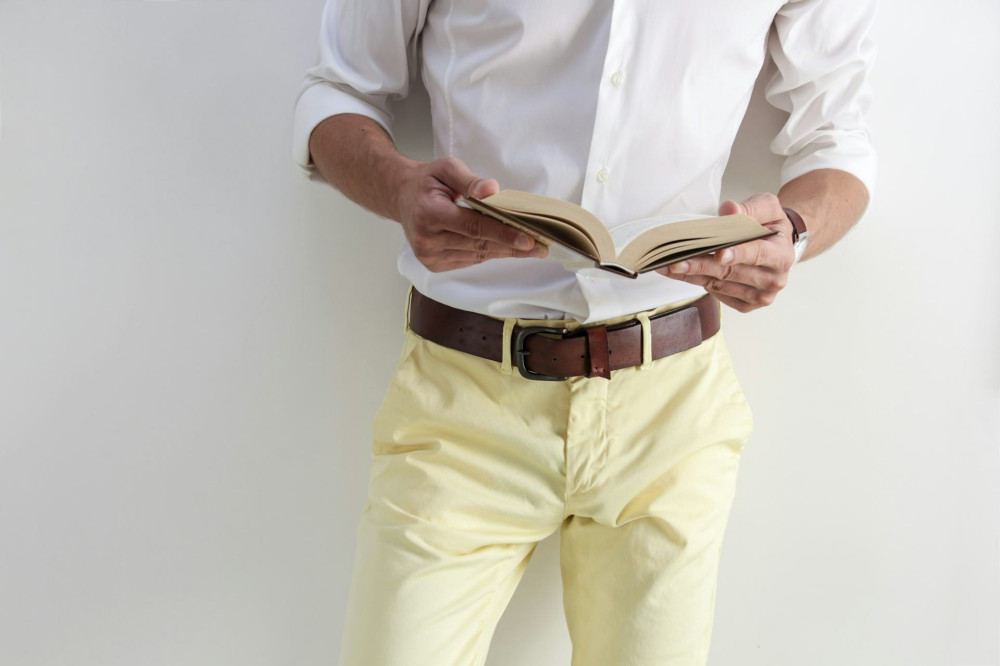
- Classic frame buckle: The most common style, with a metal prong that fits through a hole. Timeless and versatile.
- Ratchet buckle: Adjusts without holes, using a track system for a precise fit. Popular for business attire.
- Clip buckle: Found on fabric or tactical belts. Quick to open and close, but more casual.
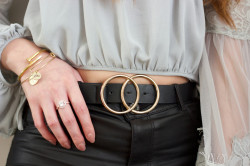
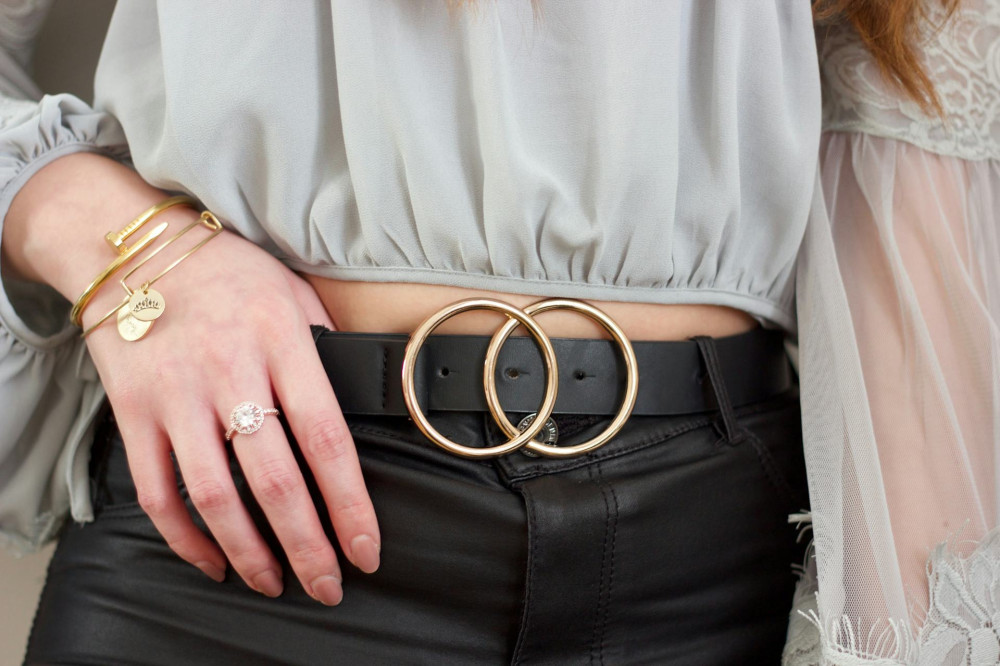
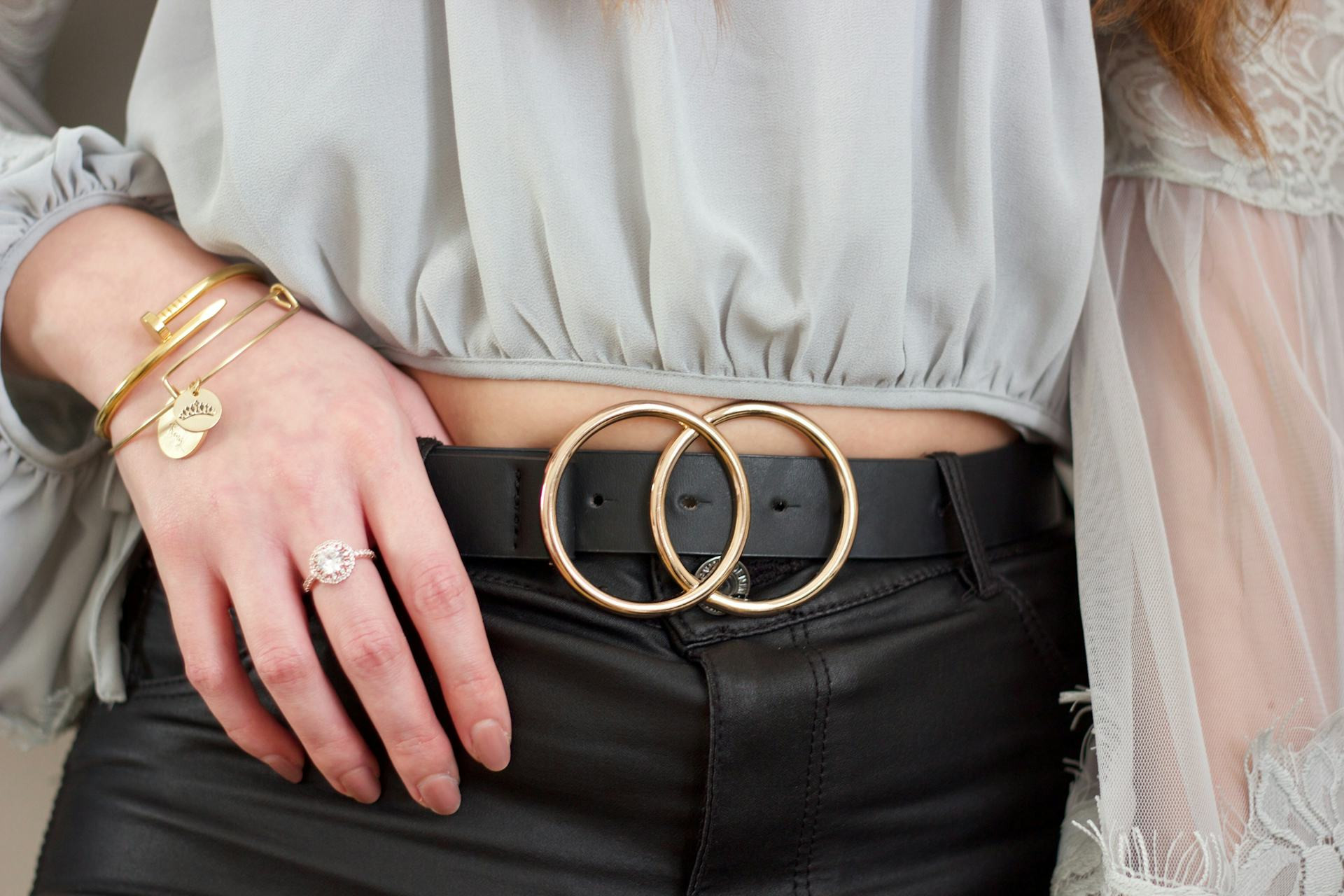
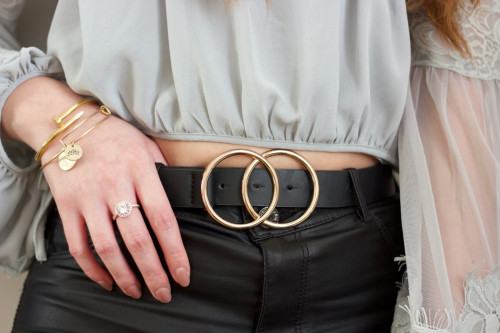
- D-ring or O-ring buckle: Uses two metal rings to secure the belt by friction. A relaxed, modern option.
Whatever the type, the buckle should be proportional to the belt’s width and your body frame. Oversized buckles can dominate your outfit, while tiny ones can look out of place.
Care and Storage
A belt you wear often deserves a little care. Leather belts should be hung rather than rolled to help them keep their shape. Apply a leather conditioner once or twice a year to keep the material supple.
Fabric and nylon belts can usually be wiped clean with a damp cloth. Avoid machine washing, as the hardware can get damaged.
A Small Accessory with Big Impact
A belt might seem like a minor detail, but it can make a major difference in your overall look. The right belt, worn the right way, shows attention to style and comfort. It ties your outfit together—literally and visually.
So next time you get dressed, take a moment to buckle up right. It’s a small step that makes a big impression.
Læs også: