Comfortable Yoga Clothing – The Key to a Steady Practice

Comfortable Yoga Clothing – The Key to a Steady Practice
When you roll out your yoga mat, it’s not just about poses, breath, and balance – it’s also about how you feel in your body. Comfortable yoga clothing might seem like a small detail, but it plays a crucial role in your focus, freedom of movement, and overall sense of ease. The right outfit can help you settle into your practice and make it easier to stay consistent – whether you’re flowing at home, in a studio, or outdoors.
Why Comfort Matters More Than You Think
Yoga is about being present. If your clothes pinch, slide, or distract you, it’s hard to stay connected to your breath and movement. Comfortable clothing allows you to move freely and helps your body find its natural rhythm without interruptions.
The fabric and fit also affect how your body regulates temperature. Breathable, moisture-wicking materials keep you cool and focused, even during challenging sequences. It’s not about looking a certain way – it’s about creating the best conditions to feel grounded and at ease in your body.
Fabrics That Work With You
When choosing yoga wear, fabric is key. Some of the most popular options include:
- Cotton – soft and gentle on the skin, though it can feel heavy when you sweat.
- Bamboo – naturally breathable and antibacterial, great for both gentle and active yoga styles.
- Stretchy synthetics like nylon and spandex – offer maximum flexibility and hold their shape after many washes.
- Wool blends – ideal for yin or restorative yoga, where warmth and comfort are essential.
The best choice depends on your yoga style and personal preferences. Many practitioners mix materials to balance comfort, durability, and performance.
Fit and Freedom of Movement
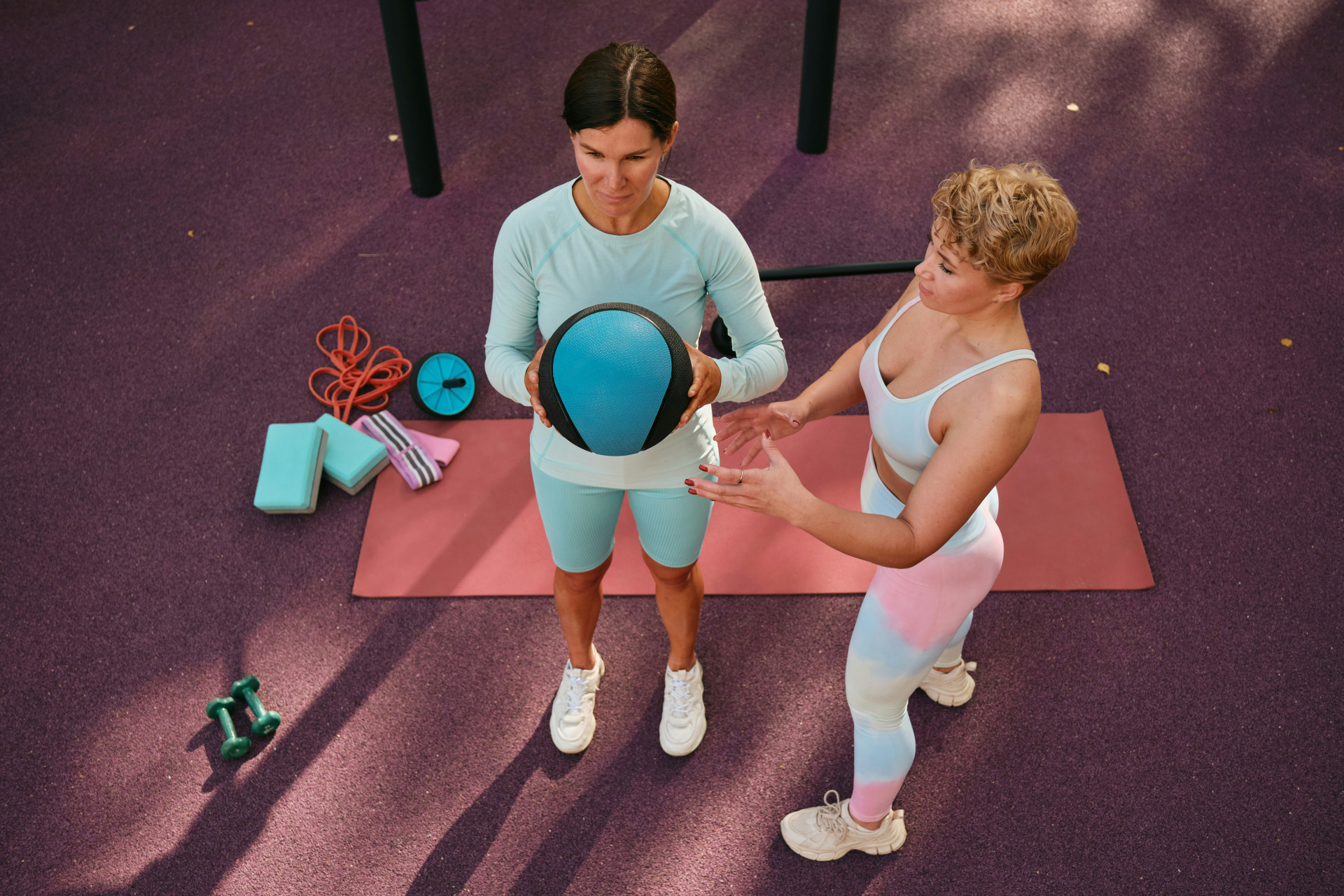
A good yoga outfit should feel like a second skin. Pants should stay in place as you move, and tops should provide support without restricting your breath. For women, a medium-support sports bra often works well, while men may prefer fitted T-shirts that won’t ride up during inversions.
Avoid overly loose clothing for dynamic styles like vinyasa or power yoga – it can get in the way of your flow. On the other hand, relaxed pants and soft layers are perfect for slower practices like yin or meditation, where warmth and stillness are the focus.
Layering for Comfort
Temperature can vary widely, especially if you practice in a studio with air conditioning or outside in changing weather. Layering helps you adapt. Start with a breathable base layer, then add a light top or wrap that you can remove as you warm up. This makes it easier to stay comfortable during both movement and relaxation.
A cozy hoodie or a pair of warm socks can make a big difference during savasana – the final resting pose where your body needs to fully relax.
Sustainability and Conscious Choices
Many yoga apparel brands in the U.S. now emphasize sustainability and ethical production. Choosing clothing made from organic cotton, recycled fibers, or certified eco-friendly textiles supports a more responsible fashion industry – and helps you feel good about your purchase.
Sustainability also means durability. High-quality yoga wear that keeps its shape and comfort over time is better for the planet and your practice. It’s an investment in mindfulness, comfort, and longevity – values that align beautifully with yoga itself.
Finding Your Perfect Yoga Outfit
When shopping for yoga clothing, ask yourself three simple questions:
- How do I move? – Choose clothing that suits your yoga style.
- How does it feel on my skin? – Comfort always comes first.
- How will I use it? – Should it work for workouts, lounging, or everyday wear too?
Try it on, move around, and notice how it feels. The best yoga clothing is the kind you forget you’re even wearing.
Læs også:
Comfort as the Foundation of Consistency
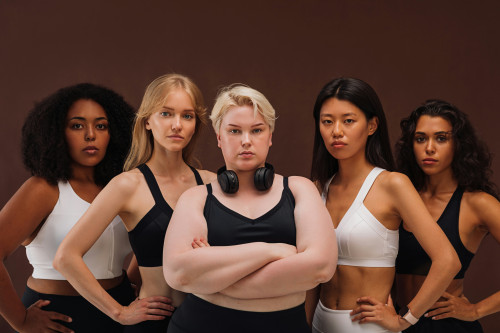
A steady yoga practice isn’t just about discipline – it’s about creating the right environment for your body and mind. When you feel comfortable, it’s easier to return to the mat again and again. Comfortable yoga clothing isn’t just a practical choice – it’s part of the foundation for a practice that lasts.
Læs også: