After Exfoliating: Rebuild Your Skin with Soothing Skincare


After Exfoliating: Rebuild Your Skin with Soothing Skincare
Exfoliation can do wonders for your skin — it removes dead cells, reveals a fresh glow, and helps your skincare products absorb more effectively. But right after exfoliating, your skin is also more vulnerable. Its natural barrier is temporarily weakened, which means it needs calm, moisture, and nourishment to recover. Here’s how to care for your skin after exfoliation to keep it healthy and radiant.
What Happens to Your Skin After Exfoliation?
When you exfoliate, you remove the outer layer of dead skin cells. This can be done mechanically — with scrubs containing fine particles — or chemically, using acids like AHAs, BHAs, or PHAs. Both methods encourage cell renewal, but they can also make your skin more sensitive to sunlight, wind, and pollution.
After exfoliation, your skin’s protective barrier is more open, and moisture can evaporate more easily. You might notice tightness, dryness, or warmth — all normal signs that your skin needs extra care and hydration.
Step 1: Soothe Your Skin Immediately
Right after exfoliating, avoid products with alcohol, fragrance, or active ingredients like retinol or acids. Instead, focus on calming and hydrating your skin.
- Use a gentle, alcohol-free toner with ingredients like aloe vera, panthenol, or chamomile.
- Apply a hydrating serum with hyaluronic acid or glycerin to help bind moisture.
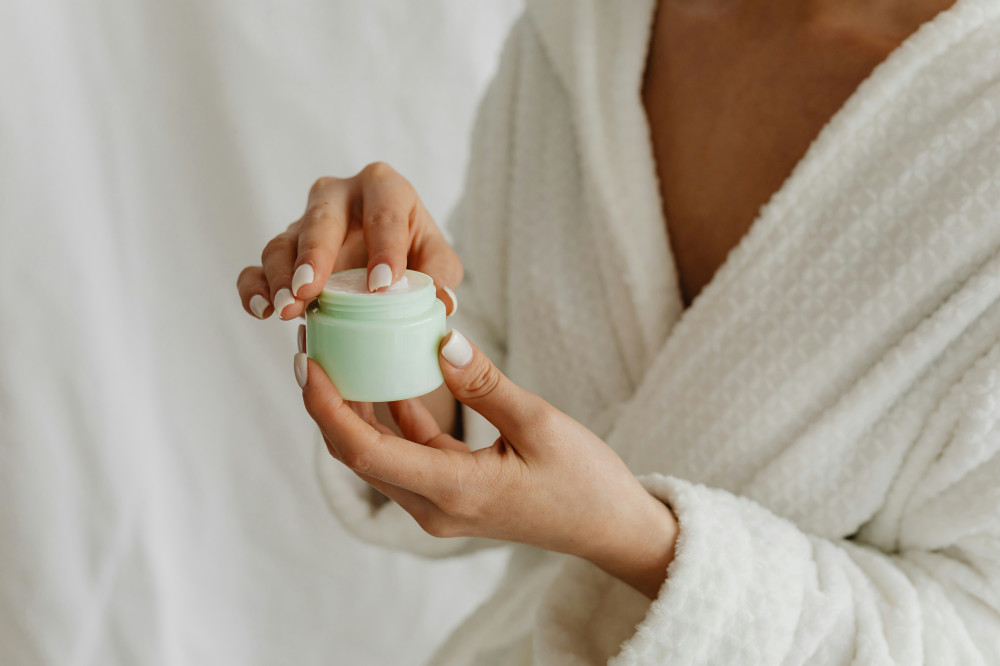
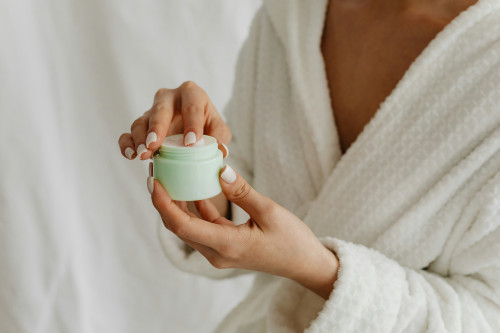
- Finish with a soothing moisturizer containing ceramides, squalane, or oat extract.
If your skin feels warm or irritated, apply a cooling gel mask or a cold, damp washcloth for a few minutes to reduce discomfort.
Step 2: Rebuild the Skin Barrier
Your skin barrier is made up of lipids that lock in moisture and protect against external stressors. After exfoliation, it needs support to restore balance.
Look for products that strengthen the barrier:
- Ceramides and fatty acids help rebuild the skin’s natural protective layer.
- Niacinamide (vitamin B3) can reduce redness and improve moisture retention.
- Cholesterol and shea butter nourish and make the skin more resilient.
Keep your routine simple for a few days — too many products can overwhelm freshly exfoliated skin. Consistency and gentleness are key.
Step 3: Protect Against the Sun
After exfoliation, your skin is more sensitive to UV rays. Even brief sun exposure can cause irritation or dark spots if you’re not protected.
- Always apply sunscreen with at least SPF 30, even on cloudy days.
- Choose a mineral sunscreen with zinc oxide or titanium dioxide if your skin is sensitive.
- Avoid direct sun exposure for 24–48 hours after exfoliating.
Sun protection isn’t just important right after exfoliation — it’s essential for maintaining healthy, youthful skin year-round.
Step 4: Give Your Skin Time — and Avoid Over-Exfoliating
It’s tempting to exfoliate often when your skin feels smooth and glowing, but too much can lead to redness, dryness, and breakouts.
As a general guideline:
- Normal to dry skin: 1–2 times per week.
- Oily or combination skin: 2–3 times per week.
- Sensitive skin: once a week at most, using mild products.
Listen to your skin. If it feels tight, flaky, or warm, take a break and focus on hydration and protection.
Step 5: Build a Routine That Supports Balance
A good skincare routine is about balance — not just exfoliation. Combine exfoliating with products that strengthen and protect your skin daily.
A simple routine might look like this:
- Gentle cleanser – morning and night.
- Hydrating toner or mist – to prep the skin.
- Serum with calming ingredients – such as niacinamide or hyaluronic acid.
- Moisturizer – suited to your skin type.
- Sunscreen – every morning, all year long.
By giving your skin both stimulation and care, you’ll achieve a healthy glow without compromising its natural balance.
Læs også:

A Healthy Glow Takes Patience
Exfoliation is a powerful way to renew your skin, but it’s the aftercare that determines whether your complexion becomes radiant or stressed. By soothing, hydrating, and protecting your skin after each exfoliation, you help it rebuild itself — and that’s where true, lasting beauty begins.
Læs også: