Beauty in Transition: How Gender Roles and Diversity Shape Today’s Beauty Trends

Beauty in Transition: How Gender Roles and Diversity Shape Today’s Beauty Trends
Beauty ideals have always reflected the values of their time. From the polished housewives of the 1950s to the grunge minimalism of the 1990s, each era has told its own story of what it means to be “beautiful.” Today, that story is being rewritten. Shifting gender roles, a growing awareness of diversity, and the power of social media have transformed not only how Americans see beauty—but how they express it.
From Fixed Ideals to Fluid Identities
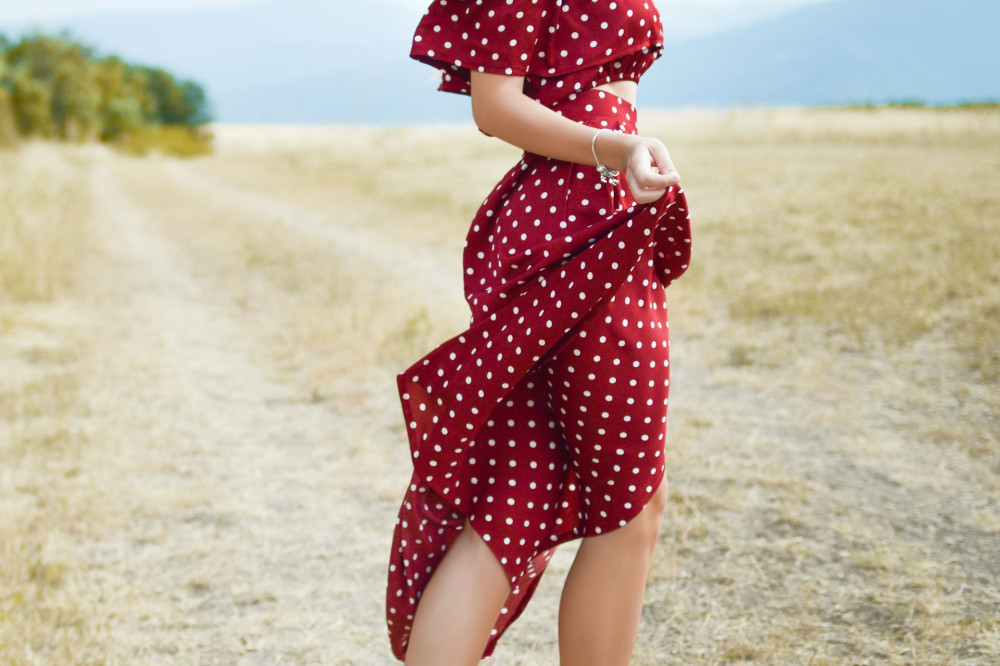
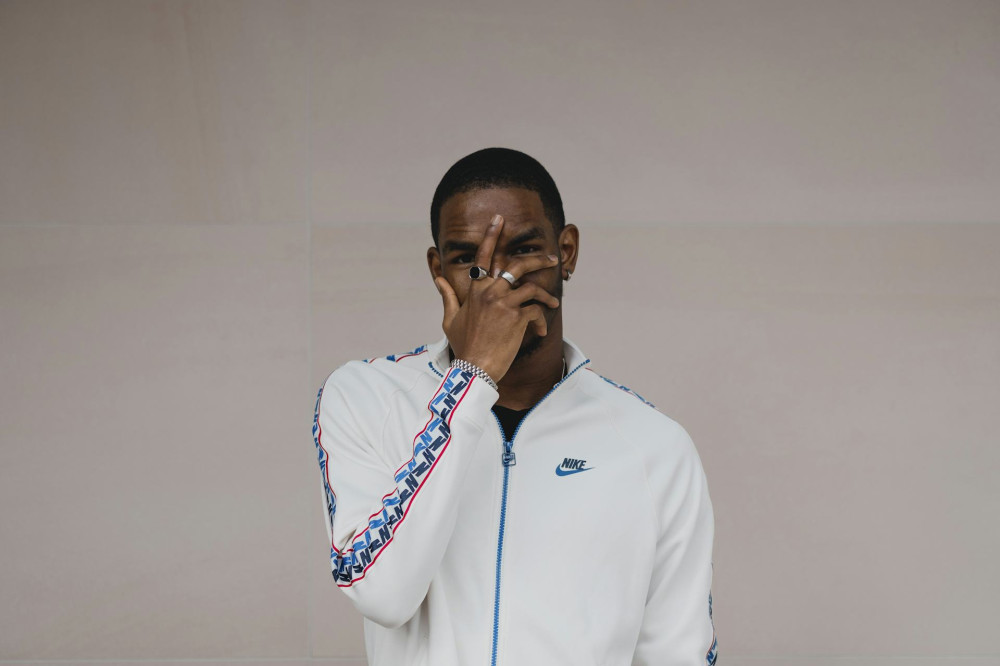
For decades, beauty was closely tied to gender: women were expected to be soft and feminine, men strong and rugged. But as society’s understanding of gender has evolved, so too have the boundaries of beauty. We now see men in skincare ads, women embracing buzz cuts, and nonbinary models walking major runways.
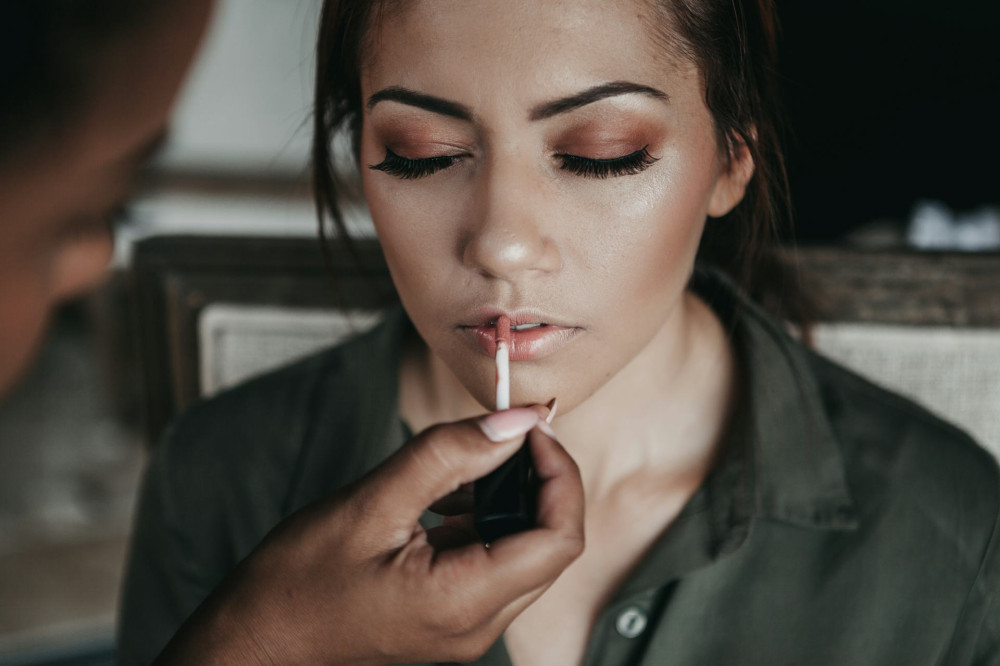
This shift is about more than fashion—it’s about freedom. Freedom to express oneself without being confined by traditional labels. For many young Americans, makeup and clothing are no longer about conforming to gender expectations but about creativity and self-expression. Beauty has become a language of identity, not conformity.
Diversity as the New Standard
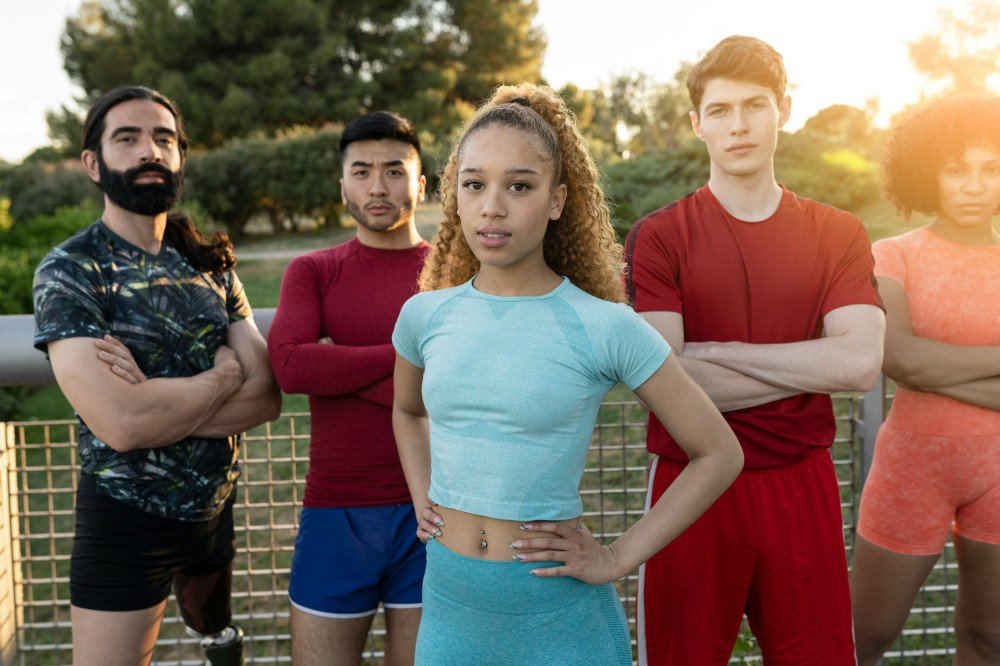
Where beauty campaigns once showcased a narrow ideal, today’s consumers demand representation. Brands that once featured only one body type or skin tone are now expected to reflect the real world in all its variety.
Campaigns featuring models of different ages, sizes, ethnicities, and gender identities are no longer rare—they’re the norm. This isn’t just a moral choice; it’s smart business. American consumers want to see themselves in the products they buy, and they reward companies that take inclusion seriously. From Rihanna’s Fenty Beauty to Dove’s Real Beauty campaign, inclusivity has become both a cultural and commercial imperative.
Social Media as a Driving Force
Platforms like Instagram, TikTok, and YouTube have democratized beauty. Where magazines and fashion houses once dictated trends, now anyone with a smartphone can shape them. A single viral video can spark a global movement—whether it’s about embracing natural hair, celebrating freckles, or experimenting with gender-neutral makeup.
Social media has also amplified voices that were once marginalized. Influencers with disabilities, darker skin tones, visible scars, or body hair are challenging long-held norms and inspiring millions to embrace their authentic selves. In this new era, authenticity often matters more than perfection.
Læs også:
Beauty as Self-Care, Not Pressure
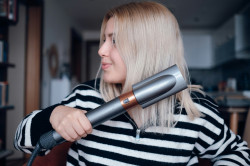
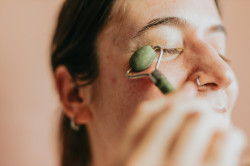
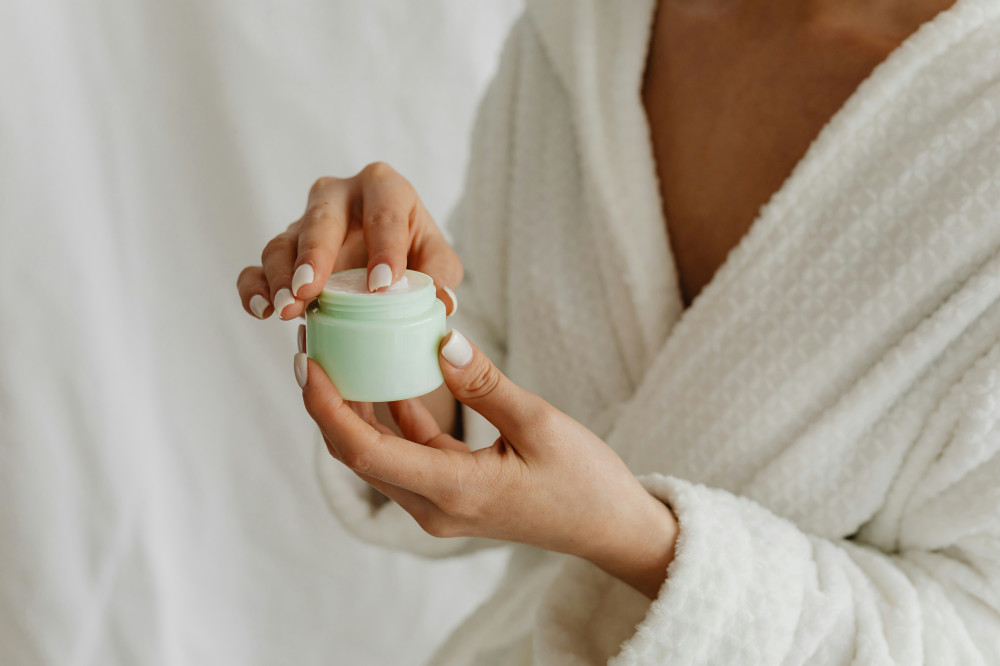
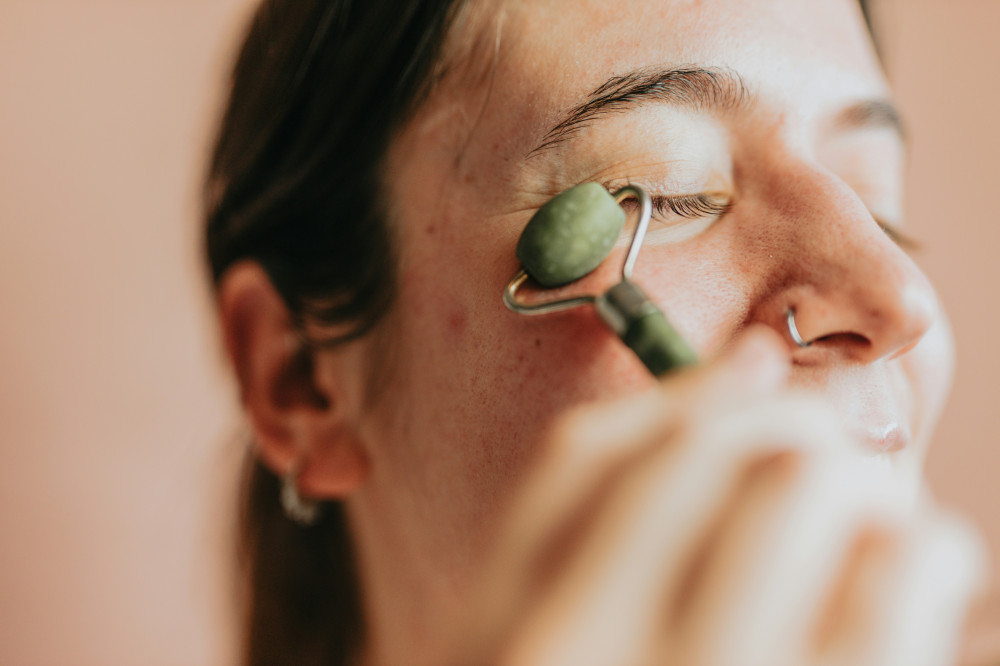
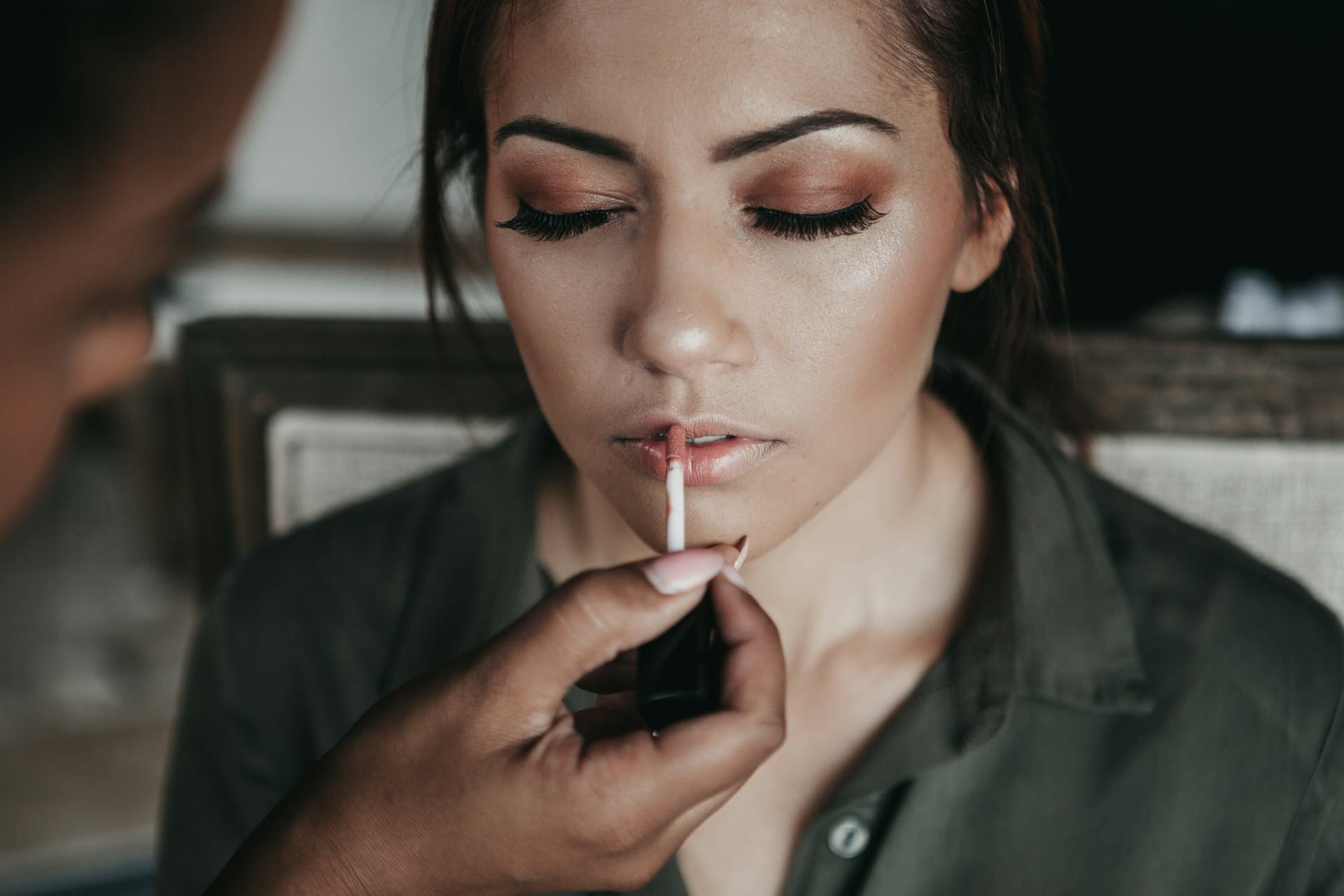
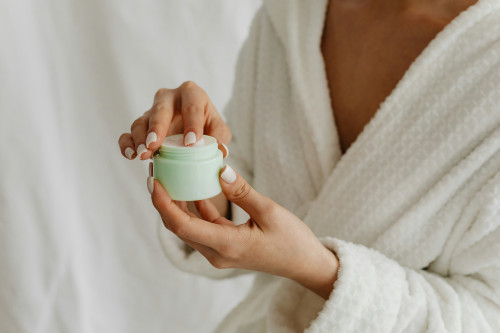
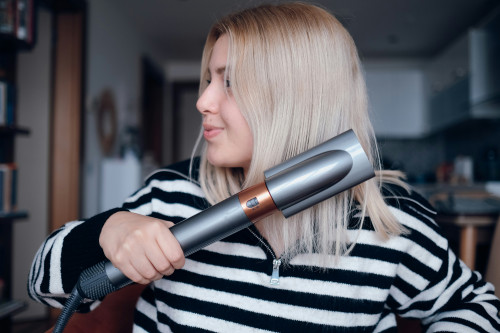
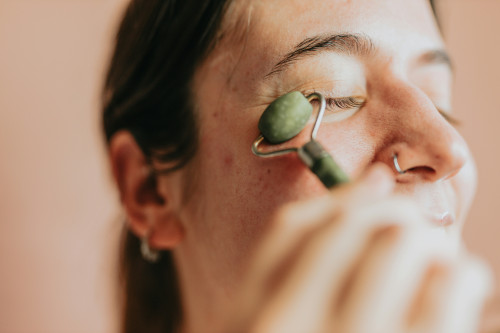
While the beauty industry still faces criticism for promoting unrealistic standards, there’s also a growing movement toward self-care and wellness. Skincare, haircare, and makeup are increasingly seen as tools for self-expression and mental well-being rather than obligations to meet an external ideal.
The rise of “clean beauty” and “slow beauty” reflects a desire for authenticity, sustainability, and mindfulness. For many Americans, beauty today is about balance—feeling good in one’s own skin while making choices that align with personal values and environmental responsibility.
The Future of Beauty: Personal and Political
Beauty is no longer just about aesthetics—it’s about values. When a brand features a transgender model or an influencer posts an unfiltered selfie showing acne or stretch marks, it sends a message: beauty cannot be confined by outdated norms.
The future of beauty in the United States will likely continue in this direction—toward greater individuality, honesty, and inclusion. It’s no longer about fitting into someone else’s definition of beautiful. It’s about defining it for yourself.
Læs også: