Elastic Materials – How the Shirt Adapts to the Body

Elastic Materials – How the Shirt Adapts to the Body
When you put on a shirt that fits just right—not too tight, not too loose—it’s often thanks to the elastic materials it’s made from. Modern fabrics can stretch, move with your body, and then return to their original shape. That makes them both comfortable and practical for everyday wear. But how does this actually work? And what gives a shirt its flexibility?
What Does It Mean for a Material to Be Elastic?
An elastic material can change shape when it’s pulled or pressed—and then return to its original form once the force is gone. In clothing, this means the fabric can stretch as you move and still keep its shape afterward.
Elastic fibers are used in everything from athletic wear and jeans to underwear and sweaters. They make clothing more comfortable because the fabric moves with your body instead of restricting it.
The Most Common Elastic Fibers
There are several types of elastic materials, but some of the most common in clothing production include:
- Spandex (also known as elastane or Lycra) – a synthetic fiber that can stretch up to five times its original length and still snap back. It’s often blended with cotton or polyester to add flexibility to the fabric.
- Nylon – not as stretchy as spandex, but very durable and often used in combination with other fibers.
- Wool and certain natural fibers – have a natural elasticity because their fibers are crimped, allowing them to stretch slightly without losing shape. That’s one reason a wool sweater can feel both soft and resilient.
How Elasticity Works in Practice
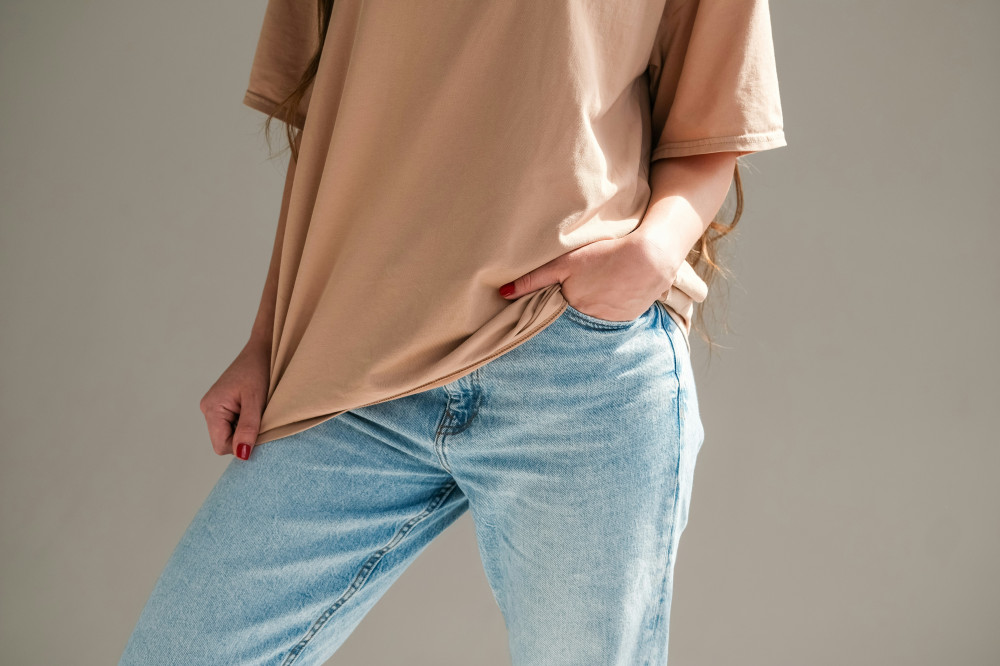
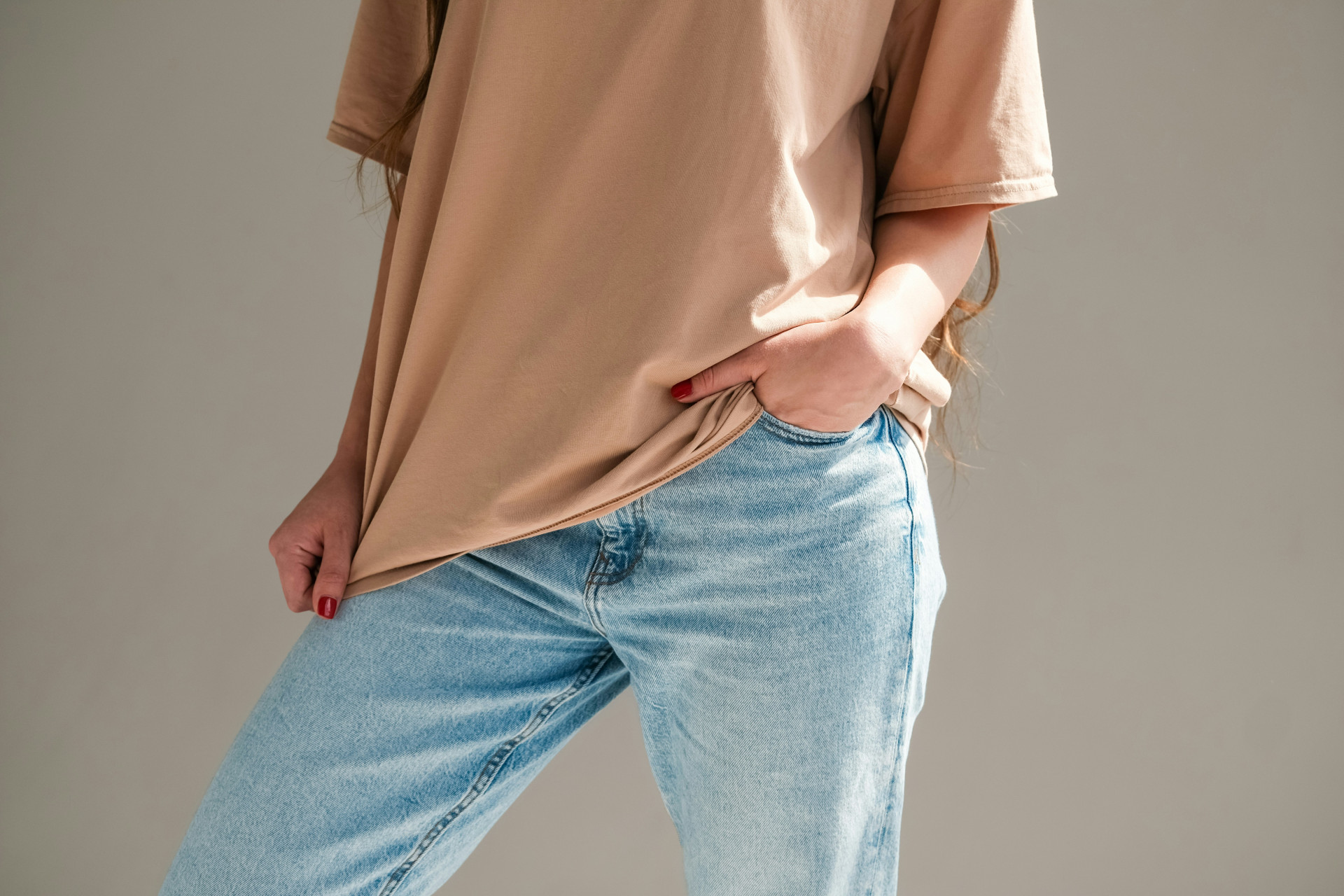
When you put on a shirt, the fabric adjusts around your body. The elastic fibers stretch where needed—around the shoulders, elbows, or chest—and contract again as you move or take the shirt off.
This ability comes from the molecular structure of the fibers. In spandex, for example, the fibers are made of long chains that can coil and uncoil like tiny springs. When you stretch the fabric, the chains straighten out; when you release it, they return to their coiled state. This microscopic movement is what gives the fabric its macroscopic comfort.
The Benefits of Elastic Materials
Elastic textiles have transformed both fashion and functional clothing. Their main advantages include:
- Better fit: The fabric adapts to the body, creating a more tailored look.
- Freedom of movement: You can move naturally without feeling restricted.
- Durability: The garment keeps its shape even after repeated wear and washing.
- Comfort: The soft, flexible structure makes it pleasant to wear all day.
Challenges and Sustainability
While elastic materials offer many benefits, they also present environmental challenges. Synthetic fibers like spandex and nylon are petroleum-based and do not biodegrade easily. This makes recycling garments that contain them more difficult.
However, many companies are now developing bio-based elastic fibers or recycled spandex to reduce environmental impact. Researchers are also exploring ways to separate blended fibers during recycling so that materials can be reused in new textiles.
How to Care for Elastic Shirts
To maintain the elasticity of your clothing, proper care is essential:
- Wash in cold water and avoid fabric softeners, which can break down the fibers.
- Skip the dryer—heat can damage elasticity.
- Lay garments flat to dry to prevent unnecessary stretching.
With the right care, an elastic shirt can keep its shape and comfort for years.
Læs også:



A Technology That Shapes Everyday Life
Elastic materials are a perfect example of how science meets daily life. They make it possible to design clothing that looks good and feels great—whether you’re sitting at your desk, working out, or running errands.
When a shirt adapts to your body, it’s not just about fashion—it’s about advanced material technology working quietly behind the scenes, fiber by fiber.
Læs også: