Sweaters as Layers: Flexible Comfort for Sports and Casual Wear

Discover how the right sweater layers can keep you comfortable and stylish in any activity
Blouses
Blouses
4 min
Learn how to make the most of your wardrobe by using sweaters as versatile layers for both sports and casual wear. From breathable materials to smart combinations, find out how to stay warm, flexible, and effortlessly stylish all year round.
Nolan Sanchez
Nolan
Sanchez

Sweaters as Layers: Flexible Comfort for Sports and Casual Wear

Discover how the right sweater layers can keep you comfortable and stylish in any activity
Blouses
Blouses
4 min
Learn how to make the most of your wardrobe by using sweaters as versatile layers for both sports and casual wear. From breathable materials to smart combinations, find out how to stay warm, flexible, and effortlessly stylish all year round.
Nolan Sanchez
Nolan
Sanchez

When the weather changes and your activity level shifts, the layers you wear make all the difference. Sweaters play a key role in both sports and everyday life—they provide warmth, manage moisture, and keep you comfortable without restricting movement. Whether you’re heading out for a chilly morning run, biking to work, or enjoying a relaxed weekend outdoors, it’s all about choosing the right sweaters and combining them wisely.

The Layering Principle – The Foundation of Flexibility

The layering principle is simple but effective: wear multiple layers, each with its own purpose. This allows you to regulate temperature by adding or removing layers depending on the weather and your activity level.

  • Base layer: Wicks sweat away from your skin. Merino wool or synthetic fabrics are ideal because they keep you dry and comfortable.
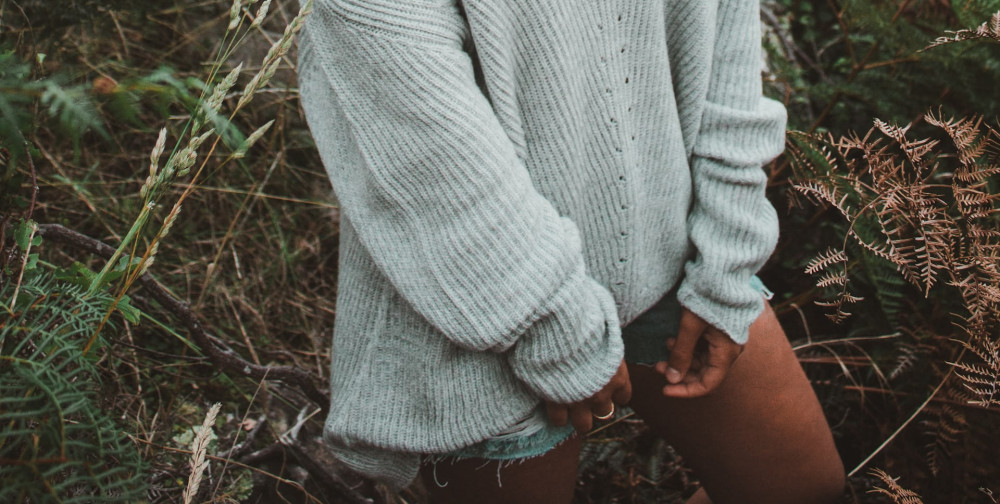
  • Mid layer: Provides insulation and retains warmth. A lightweight fleece or wool sweater works well, offering both warmth and breathability.
  • Outer layer: Protects against wind and rain. A windproof or water-resistant jacket completes the system.

The sweater is often the layer you feel most during the day—so it’s important that it fits well, feels good, and suits your purpose.

Materials That Make a Difference

The material you choose has a big impact on how a sweater feels and performs. Modern textiles combine comfort with technical features once reserved for specialized gear.

  • Wool: Naturally temperature-regulating and odor-resistant. Great for both active and casual wear.
  • Fleece: Lightweight, warm, and quick-drying—a popular choice for outdoor activities.
  • Cotton: Soft and comfortable, but absorbs moisture. Best for low-intensity or leisure use.
  • Technical synthetics: Designed to wick sweat and dry quickly—ideal for high-intensity workouts.

Many brands now blend materials to achieve the best balance of warmth, breathability, and freedom of movement.

Sweaters for Sports – Function and Movement First

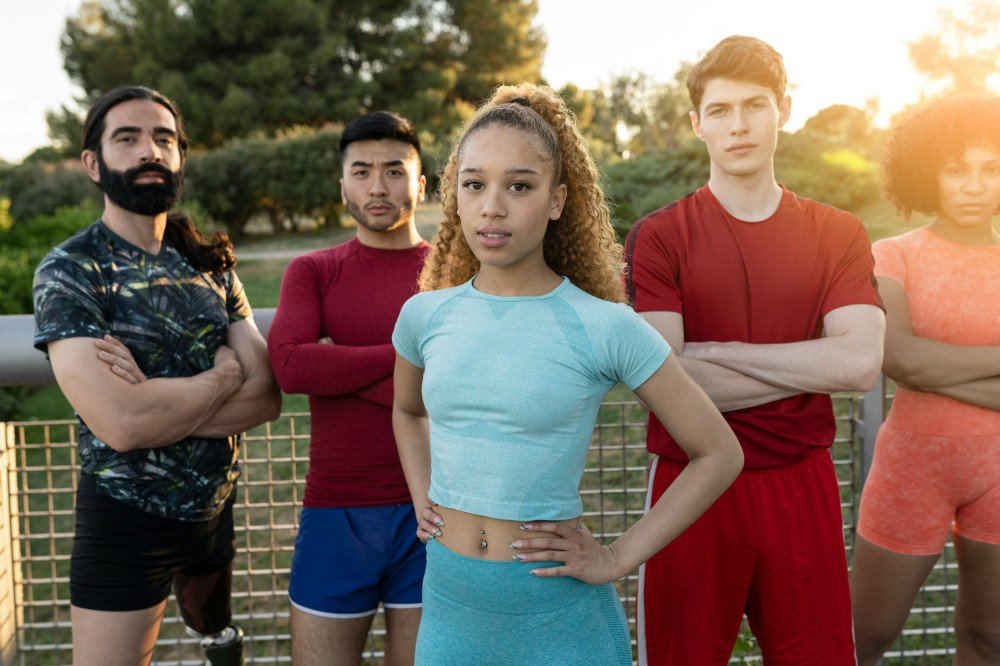
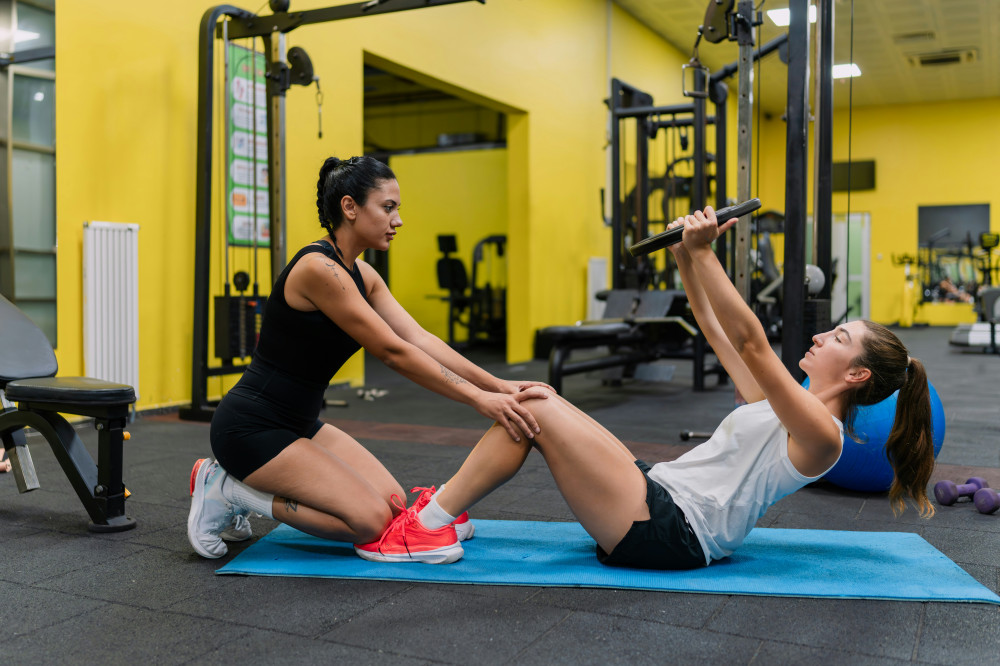
When you’re active, your sweater needs to move with you. It shouldn’t restrict motion, and it must handle sweat and temperature changes. Runners and cyclists often prefer close-fitting, stretchy sweaters, while hikers and skiers go for looser fits that allow for layering.

Ventilation is also key. Many performance sweaters include mesh panels under the arms or on the back to help release excess heat. Reflective details and zippers for adjustable airflow are small features that can make a big difference.

Sweaters for Everyday Life – Comfort and Style Combined

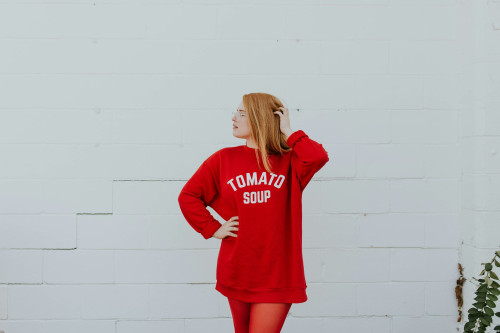
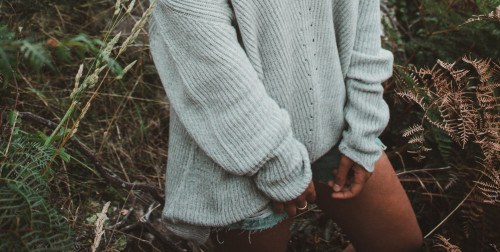
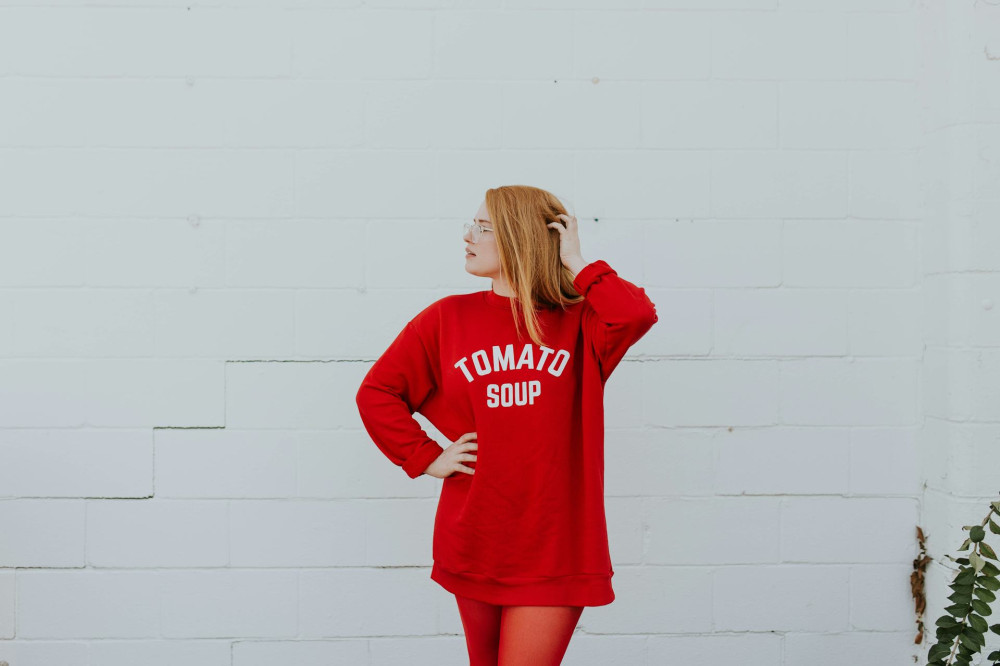
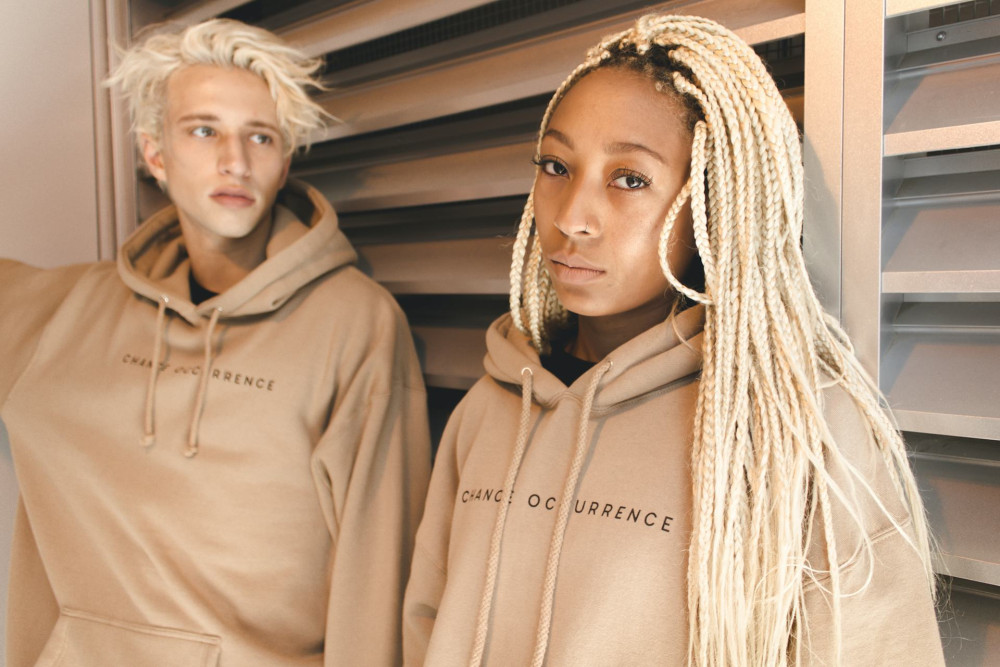
Sweaters aren’t just for workouts. They’ve become a staple in everyday wardrobes, where function meets fashion. A classic crewneck sweatshirt, a lightweight knit, or a sleek technical pullover can take you from the office to the trail to a coffee shop.

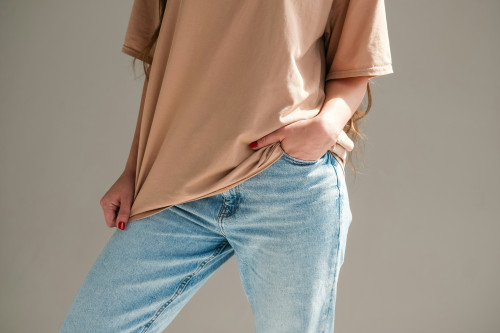
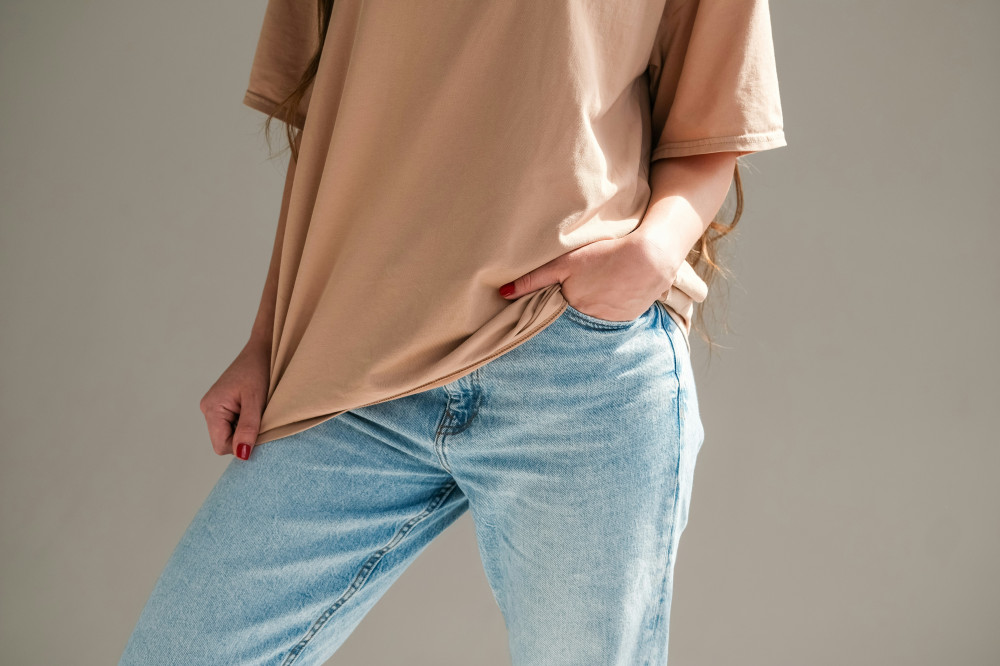
The goal is to find sweaters that feel as good as they look. Many people choose clean designs and neutral colors that pair easily with jeans, chinos, or joggers. That versatility makes the sweater a go-to layer for both activity and relaxation.

How to Choose the Right Sweater

When picking a sweater, think about how and where you’ll use it. Ask yourself three questions:

  1. What activity is it for? – High-intensity training calls for breathability, while slower-paced activities need warmth and comfort.
  2. What climate will I wear it in? – Choose lightweight materials for warm days and insulating ones for cold conditions.
  3. How should it fit? – A snug fit wicks moisture better, while a looser fit allows more airflow and layering flexibility.

By focusing on function as well as style, you’ll end up with a sweater that lasts longer and feels better in use.

A Layer for All Seasons

Sweaters aren’t just for winter. They work year-round—on their own in summer, as a mid layer in winter, and as a flexible option during transitional seasons. That makes them one of the most versatile pieces in any wardrobe.

Whether you choose a technical performance sweater, a classic wool knit, or a modern hybrid design, the principle remains the same: comfort, mobility, and adaptability. Master the art of layering with sweaters, and you’ll have a clothing system that works for both sports and everyday life—keeping you comfortable no matter where the day takes you.

The complete guide to creating your capsule wardrobe
This e-book will help you build your own capsule wardrobe with timeless and versatile pieces of clothing. Learn how to choose the right colors and cuts to save time and money while always looking good.
Start your reading now
Care for Your Sweaters with Care – Save Water and Energy
Make your favorite sweaters last longer while reducing your environmental footprint
Blouses
Blouses
Sweater Care
Sustainable Living
Laundry Tips
Clothing Maintenance
Eco-Friendly Habits
5 min
Learn simple and sustainable ways to care for your sweaters. With a few mindful habits, you can keep them soft and beautiful for years, while saving both water and energy.
Kinsley Lee
Kinsley
Lee
Sweater or Pullover? Learn the Difference and Use the Words Correctly
Discover the subtle differences between these cozy wardrobe essentials
Blouses
Blouses
Language
Vocabulary
English Learning
Fashion
Culture
7 min
Do you say “sweater” or “pullover”? While both words describe the same warm garment, their usage can vary by region and context. Learn how to use each term correctly and understand what sets them apart in everyday English.
Mya Gonzales
Mya
Gonzales
Sweaters as Layers: Flexible Comfort for Sports and Casual Wear
Discover how the right sweater layers can keep you comfortable and stylish in any activity
Blouses
Blouses
Sweaters
Layering
Sportswear
Casual Fashion
Comfort
4 min
Learn how to make the most of your wardrobe by using sweaters as versatile layers for both sports and casual wear. From breathable materials to smart combinations, find out how to stay warm, flexible, and effortlessly stylish all year round.
Nolan Sanchez
Nolan
Sanchez
Elastic Materials – How the Shirt Adapts to the Body
Discover the science and comfort behind fabrics that move with you
Blouses
Blouses
Elastic Materials
Fabric Technology
Clothing Design
Textile Innovation
Sustainable Fashion
7 min
Learn how modern elastic materials make your shirt fit perfectly while allowing freedom of movement. This article explores the fibers, technology, and care behind stretchable fabrics that adapt to your body and everyday life.
Journey Torres
Journey
Torres
Smart Fibers: Sweaters That Adapt to Temperature and Moisture
The next generation of clothing that senses your body and the environment
Blouses
Blouses
Smart Textiles
Wearable Technology
Innovation
Sustainable Fashion
Materials Science
4 min
Discover how smart fibers are transforming everyday wear. These innovative materials adjust to temperature and moisture, offering comfort, performance, and sustainability—bringing high-tech functionality straight into your wardrobe.
Jack Brooks
Jack
Brooks
Green Fashion: The Difference Between Recycled and Organic Materials Explained
Discover how recycled and organic materials shape the future of sustainable fashion
Outfits
Outfits
Sustainable Fashion
Eco-Friendly
Recycled Materials
Organic Fabrics
Consumer Guide
2 min
Learn the key differences between recycled and organic fabrics, and find out how each contributes to a more sustainable wardrobe. This guide helps you understand what’s behind the labels so you can make smarter, eco-friendly fashion choices.
Kinsley Lee
Kinsley
Lee
Formal Yet Relaxed: How to Dress Elegantly Without Being Overdressed
Master the art of looking refined without losing your effortless charm
Outfits
Outfits
Fashion
Style Tips
Elegant Dressing
Wardrobe Guide
Personal Style
5 min
Discover how to combine sophistication with ease in your everyday wardrobe. Learn to balance classic tailoring with relaxed elements, choose the right fabrics and accessories, and create a look that feels both elegant and natural.
Mya Gonzales
Mya
Gonzales
Festive with Simple Touches – Create an Elegant Look for Holidays and Family Gatherings
Effortless elegance for every celebration
Outfits
Outfits
Holiday Style
Fashion Tips
Elegant Look
Family Gatherings
Seasonal Inspiration
4 min
Discover how to create a festive and refined look for the holidays and family gatherings without excess or stress. With simple styling tips, thoughtful accessories, and a touch of confidence, you can achieve timeless elegance that feels both personal and inviting.
Nolan Sanchez
Nolan
Sanchez
Clothing That Supports Your Body: Dress for Better Posture and Freedom of Movement
Discover how the right clothing can enhance posture, comfort, and confidence
Outfits
Outfits
Posture
Functional Fashion
Health and Wellness
Smart Clothing
Body Support
6 min
Learn how innovative fabrics and thoughtful design can help you move with ease and maintain better posture throughout your day. From supportive everyday wear to smart materials that adapt to your body, find out how to dress for both style and well-being.
Journey Torres
Journey
Torres